A vehicle that will not crank needs a diagnosis before anyone connects a booster or charger. You will learn how to tell a temporarily discharged Exide EEZY battery from one with permanent damage, what a shop should test, and when replacement or charging-system repair is the safer decision.
Key takeaways
- Stop recovery if the case is swollen, cracked, leaking, or overheating.
- Ask for open-circuit voltage and starting-current test results before accepting a restart.
- Match the replacement by battery size, terminal layout, capacity, and vehicle requirements.
- Request the recovery outcome, battery details, and warranty terms in writing.
What an Exide EEZY Recovery Request Actually Covers
Exide EEZY recovery is a diagnosis-and-charge process, not a promise that the battery will return to full health. “Exide EEZY recovery help” should establish whether the battery needs charging, can deliver starting current, or needs replacement.
1. Record the exact EEZY model, nominal voltage, ampere-hour rating, serial or batch number, and manufacture date. “EEZY” alone does not identify the correct charging profile or replacement.
2. Inspect the case, terminals, cable connections, leakage, swelling, cracks, burnt areas, and signs of an internal short. A cracked, swollen, leaking, badly burnt, or shorted battery should not be force-charged.
3. Measure resting voltage after allowing surface charge to dissipate. A 12-volt lead-acid battery near 12.6–12.8 V is commonly fully charged; about 12.2 V indicates roughly half charge. A reading taken immediately after charging can look healthier than the battery is.
4. Combine resting voltage with a load or conductance test, charger-current observation, and electrolyte specific-gravity checks when a serviceable flooded battery permits them. This separates low charge from low capacity or poor cranking ability.
A successful jump-start proves only that the engine started once. It does not prove battery health or correct alternator output; the charging system still needs testing. A battery that repeatedly fails under load needs a clear diagnosis, not another jump-start.
When Charging Is Safe—and When Recovery Must Stop
Charging is safe only when the battery case, terminals, and internal condition pass inspection. Exide EEZY recovery help is a diagnosis-and-charge process, not a promise that a battery will regain full health.
Stop the attempt if you find:
- A cracked, swollen, leaking, or frozen case
- Badly damaged or burnt terminals
- Evidence of an internal short or failed cell
- Plates that have lost material
| Condition | What it means | Safer decision |
|---|---|---|
| One-time discharge | The battery went flat after lights, accessories, or a door was left on | Charge, rest, and test it |
| Mild sulphation after undercharging | Capacity may improve after an approved conditioning cycle | Follow the manufacturer’s procedure |
| Repeated failure under load | The battery cannot sustain starting current, even after charging | Replace it and investigate the vehicle |
Severe sulphation that remains after an approved procedure requires replacement. Adding acid, repeatedly overcharging, or applying a universal equalization setting cannot restore lost plate material. Equalization belongs only on a battery label that permits it; the wrong voltage can dry out a sealed battery.
Use a charger matched to the battery’s chemistry, voltage, and capacity. Never connect a 12-volt charger to a 24-volt bank. A conventional flooded battery may permit distilled or deionized water for water loss, but sealed, AGM, and other valve-regulated batteries must not be opened or topped up.
Charge flooded batteries in ventilation, away from flames and sparks. Gassing produces hydrogen, which can ignite.
The Recovery Process from Inspection to a Verified Restart
A failed restart does not prove that an Exide EEZY battery needs replacement. Recovery separates a low state of charge from low capacity, a charging fault, or a wiring problem.
- Isolate the vehicle on level ground, switch off accessories, apply the parking brake, and confirm polarity before disconnecting or connecting anything.
- Inspect the case, terminals, cables, and earth connections. Stop if you find swelling, cracks, leakage, burnt terminals, severe corrosion, or other visible damage.
- Record the initial voltage, then connect a charger matched to the battery’s chemistry, voltage, and capacity. Use the manufacturer’s specified setting, not a high-current device selected for convenience.
- Allow a deeply discharged battery several hours of controlled charging. Afterward, let it rest or complete a controlled discharge test so surface charge does not conceal low capacity.
- Perform and record a load or conductance test. An acceptable voltage can still fall sharply when the battery must deliver starting current.
- If the engine starts, measure voltage at the battery with the engine running and accessories operating. Check the alternator, belt, earth path, and charging voltage before declaring the recovery successful.
The diagnosis should also trace parasitic drain, an inverter or accessory left connected, undersized cables, incorrect polarity, and loose connections. Inspection takes minutes; charging and the rest period take much longer. An Exide EEZY battery service visit should document each result.
A roadside jump-start provides one immediate start, not verified recovery. If the battery repeatedly goes flat, fix the drain or charging fault before fitting another battery.
Choosing the Correct EEZY Battery Instead of Guessing
Fitment determines whether recovery is worthwhile and whether a replacement will work. The search phrase exide for battery shop does not identify the correct battery; an Exide EEZY model name alone is insufficient.
Give the technician:
- Vehicle make, model, engine size, fuel type, registration details, and existing battery label.
- Required capacity in Ah, cold-cranking requirement, nominal voltage, physical length, width and height, terminal layout, polarity, and hold-down arrangement.
- Battery serial or date code, test result, and written warranty details.
Do not choose a battery because it resembles the old case or fits the tray. Start-stop vehicles, taxis, commercial vehicles, heavy accessory loads, and vehicles specified for AGM, EFB, or another technology require an explicit fitment check before installation. An Exide EEZY Recovery decision also depends on whether the battery passes capacity testing.
| Option | What it means | When it applies |
|---|---|---|
| Jump-start | Immediate engine start only | You are stranded and need to move the vehicle |
| Home charging | Controlled recharge after diagnosis | The battery is safe, accessible, and the cause is known |
| Recovery | Charge followed by capacity verification | The battery passes testing |
| Replacement | Fit a new, correctly specified battery | A cell has failed, severe sulphation remains, or failure repeats |
If the battery repeatedly goes flat, require charging-system and parasitic-drain checks before buying again. An alternator fault, accessory load, loose cable, or poor connection can destroy the same symptom—and another battery.
What to Request from an Exide Battery Shop in Hinjewadi or Pune
Ask whether your vehicle must come to the shop or whether roadside assistance is available at your location. New Lucky Battery And Inverter is a local option in Hinjewadi and across Pune for an Exide battery shop visit involving inspection, charging, testing, installation, or replacement; confirm service availability before travelling.
Compare the practical choices before authorising work:
| Option | What it involves | Confirm before work |
|---|---|---|
| Shop visit | Inspection, controlled charging, capacity testing and fitment | Vehicle drop-off requirements and turnaround time |
| Roadside assistance | On-location diagnosis or a jump-start | Location coverage, transport terms and whether testing happens on site |
| Replacement | Correct battery selection and installation | Model, polarity, warranty route and old-battery disposal |
Request an itemised quote that names each charge:
- Inspection
- Charging
- Capacity testing
- Installation
- Transport
- Disposal
- Charging-system diagnosis
For Exide EEZY battery service, leave with the recorded voltage, load or conductance result, battery model, serial or warranty details, correct-fitment confirmation, and alternator charging voltage after recovery or installation. Ask what happens if the battery fails again and who handles escalation; an EEZY label alone does not promise warranty support or roadside recovery.
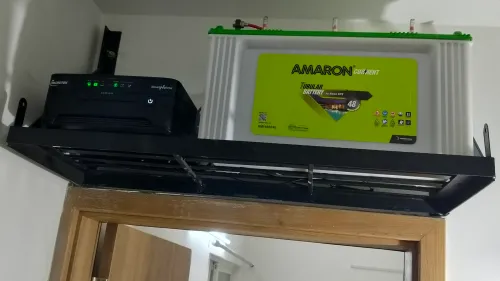
For inverter work, require confirmation of bank voltage, polarity, cable size, terminal tightness, ventilation, and fuse or isolator requirements. Hydrogen from flooded batteries can ignite, so insist on ventilation and no sparks or flames. Give an unusable lead-acid battery to the shop, an authorised collection point, or a licensed recycler—not household waste.
Frequently asked questions
What does an Exide EEZY recovery request cover?
It covers battery inspection, diagnosis, controlled charging, starting-current testing, and a decision on whether the battery can return to service or needs replacement.
When should Exide EEZY battery charging stop?
Stop charging if the battery case is swollen or cracked, electrolyte is leaking, the battery becomes excessively hot, or charging produces abnormal fumes or noise.
How is an Exide EEZY battery verified after recovery?
A technician checks charging response, open-circuit voltage after resting, starting-current performance, and the vehicle’s ability to restart before returning it to service.
What should you request from an Exide battery shop in Pune?
Request the battery model and date details, test readings, recovery result, replacement recommendation if needed, and written warranty or service terms.
Keywords